
Where the Wild Things Are
A boy sent to bed without supper sails away to a wild island and learns he can go home again.
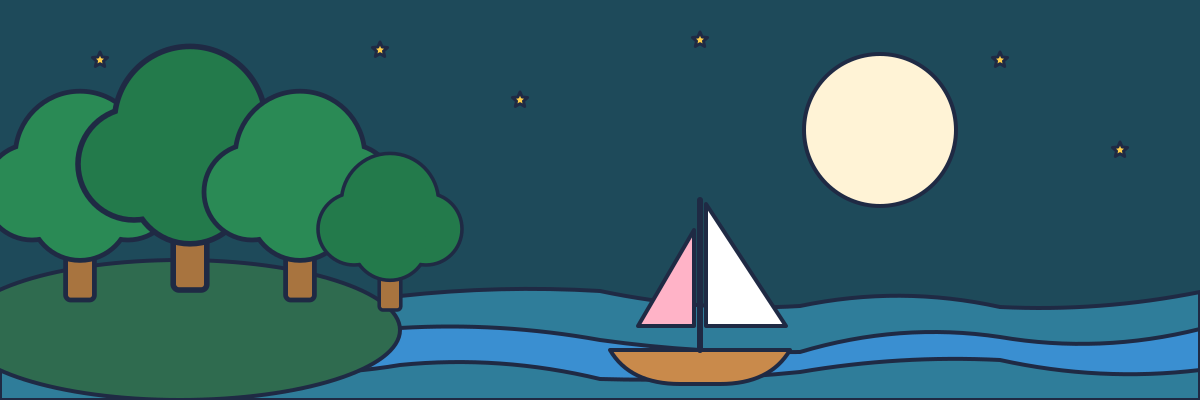
Where the Wild Things Are is a picture book by Maurice Sendak, first published in 1963. It is number 3 in our list of the best children’s books of all time. A boy sent to bed without supper sails away to a wild island and learns he can go home again.
What is Where the Wild Things Are about?
After causing trouble at home, Max is sent to bed without his supper. His bedroom turns into a forest and he sails across the sea to the land of the wild things, where he is made their king. In the end, homesick, he returns to find his supper waiting for him.
The book won the Caldecott Medal in 1964. It is often praised for treating a child’s anger and imagination with respect.
Book details
| Detail | Information |
|---|---|
| Author | Maurice Sendak |
| Illustrator | Maurice Sendak |
| First published | 1963 |
| Type | Picture book |
| Age guide | 3 to 7 |
Why children enjoy Where the Wild Things Are
- It shows that big feelings can be wild and still safe.
- The pictures grow across the page as the story moves into the wild, then shrink back at home.
- It sparks talk about anger, forgiveness and the comfort of home.
Reading and talking tips
- Ask: what do you do when you feel very cross?
- Notice how the pictures grow larger as the story goes on.
- Draw your own wild place and say what lives there.
About Maurice Sendak
Maurice Sendak was born on 10 June 1928 in Brooklyn, New York, and died on 8 May 2012. He wrote and illustrated Where the Wild Things Are (1963), which won the Caldecott Medal in 1964.
Read more on our Maurice Sendak author page.
If your child likes this, try…
See all 20 in our best children’s books of all time.
Frequently asked questions
What age is Where the Wild Things Are for?
It is usually recommended for ages 3 to 7. Some very young children find the pictures strong, so look at them together.
Did it win any awards?
Yes. It won the Caldecott Medal in 1964.
Where can I borrow Where the Wild Things Are?
Most public libraries stock it. See our guide to children’s books and your local library.