
Irish myths and legends for children
Swans under a curse, giants across the sea and a boy who tastes wisdom. Irish legends are among the best bedtime stories in the world.
Long before there were printed books, Irish stories were passed from one generation to the next by firelight. Many of those tales are still told today. They are full of magic, courage, jealousy, loyalty and loss, and children often find them thrilling.
Many collections and retellings exist, and they vary in tone, length and age suitability. Some are gentle picture books, and others keep the darker details of the originals. Browse before you buy, and choose a version that suits your child.
Stories to start with
The Children of Lir
Age 5 and up
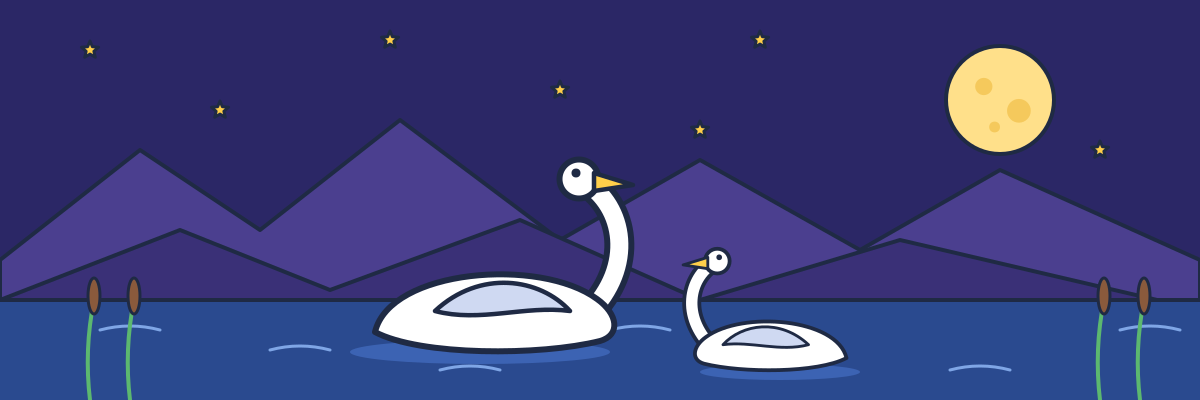
A jealous stepmother turns four children into swans. They spend nine hundred years on Lough Derravaragh, the Sea of Moyle and the Isle of Inis Glora before the spell is broken. It is sad and beautiful, and a great story to talk about loyalty and patience.
Fionn mac Cumhaill and the Salmon of Knowledge
Age 5 and up
Young Fionn is set to cook a magical salmon for his teacher, accidentally tastes it and gains great wisdom. A good story about curiosity and consequences, and the start of the legend of Fionn and the Fianna.
Fionn and the Giant’s Causeway
Age 5 and up
Fionn builds a path across the sea to fight the Scottish giant Benandonner, and then has to outwit him when he sees how big he is. Funny, clever and tied to a real place children can visit in County Antrim.
Cú Chulainn and the Hound of Culann
Age 7 and up
Young Setanta kills a fierce guard dog with his hurley and sliotar, and promises to guard the house in its place. That is how he gets his name, “the Hound of Culann”. Some versions are brutal, so check before you read aloud.
Oisín in Tír na nÓg
Age 7 and up
Oisín follows the golden-haired Niamh to the Land of Eternal Youth, only to find that centuries have passed when he returns home. A poignant story about time and homesickness.
The Selkie stories
Age 6 and up
Selkies are seals who shed their skins and live on land as people. Stories of selkies are found around the coasts of Ireland and Scotland, and they are tender tales of belonging and freedom.
How to share legends with children
- Start with place. Say where the story happened, such as Antrim, Louth or Kerry, and look at pictures or maps together.
- Tell, don’t just read. Once you know a story, you can tell it in your own words without a book. That is how the stories first travelled.
- Talk about the characters. Ask whether they think Aoife was cruel or desperate, or why Fionn was clever.
- Draw it. Children love sketching swans, giants and heroes.
- Take a trip. The Giant’s Causeway, Newgrange and the Hill of Tara are all places linked to legend.
Frequently asked questions
At what age can children enjoy Irish myths?
Younger children can enjoy gentle, simplified versions from around age five. Older children can handle more detailed and sometimes darker retellings. Tales vary a lot, so preview them first.
Are Irish myths too scary for children?
Some include battles, curses and sorrow. Pick versions designed for children, and be ready to talk about the harder parts. Many families find that children cope with it very well, since the stories are told with a sense of wonder.
What is the difference between a myth and a legend?
Myths usually involve gods or supernatural beings and explain how the world works, while legends are stories about heroes, often linked to real places or people. In practice, Irish stories blend both, and people often use the words interchangeably.
Are there Irish myths in Irish?
Yes. Many of these stories are available in Irish, and reading them in the original language is a rewarding way for older children to practise. See our guide to Irish-language children’s books.